Menu
Your Cart

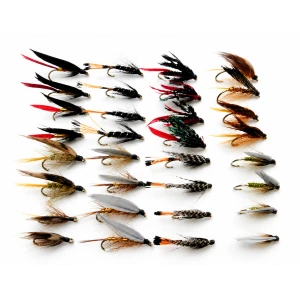
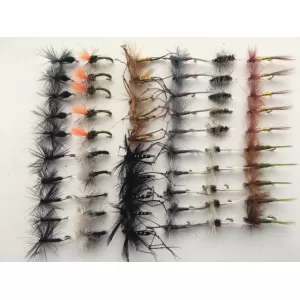
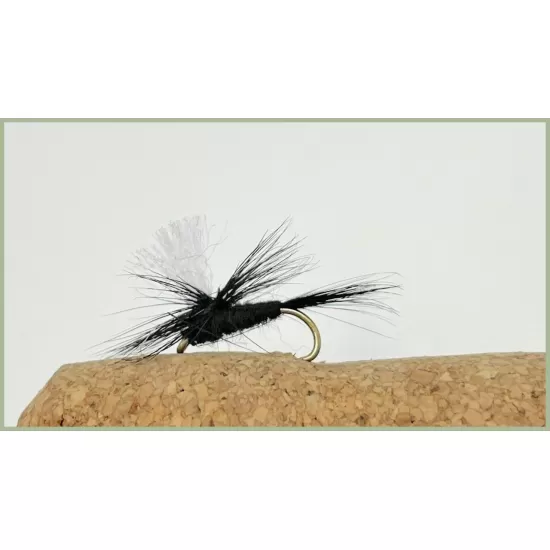
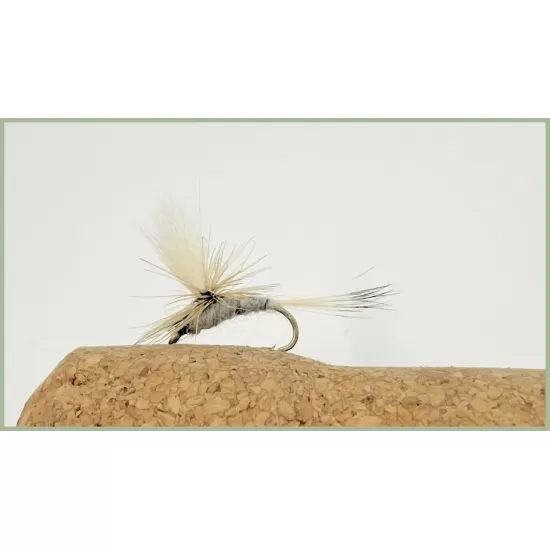
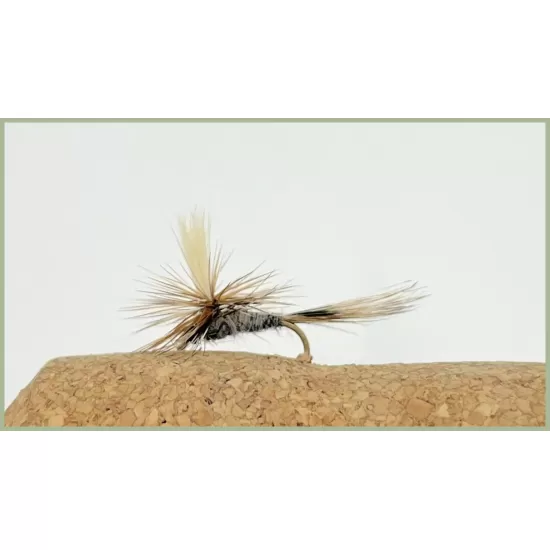
18 Barbless Parachute Dry Flies - Duster, Adams & Gnat
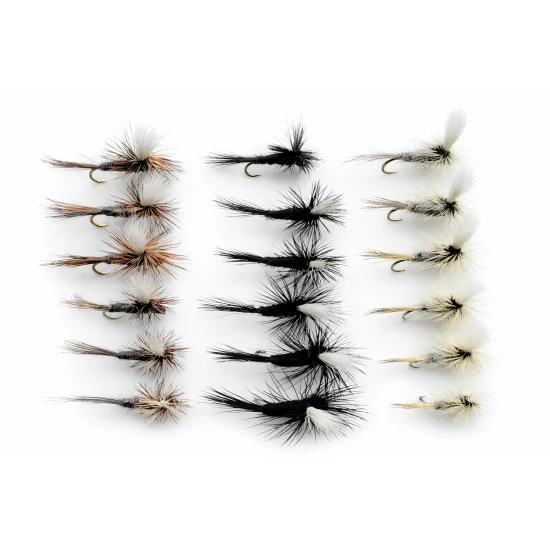
18 Barbless Parachute Dry Flies - Duster, Adams & Gnat
£10.99
Ex Tax: £9.16
  • Stock: In Stock
  • Model: 802-pack
  • MPN: 802/802/-pack

Available Options

18 Barbless Parachute Trout Fishing Flies - Choice of Sizes Available
 

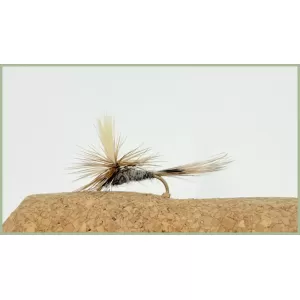
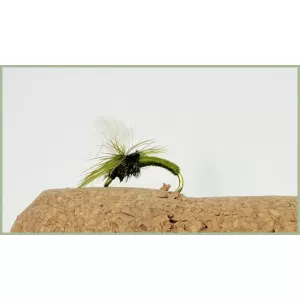
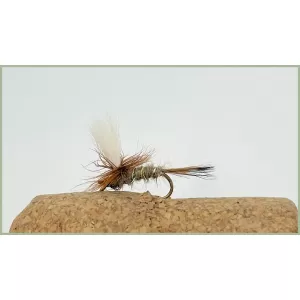
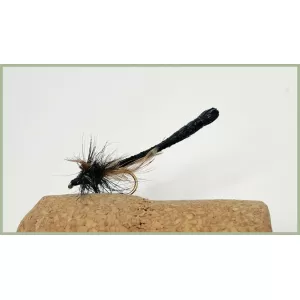
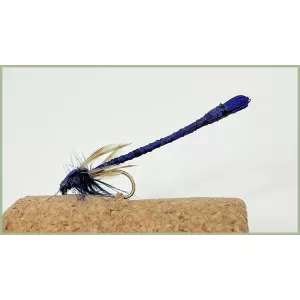
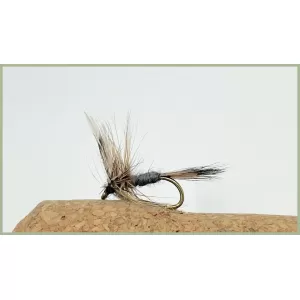
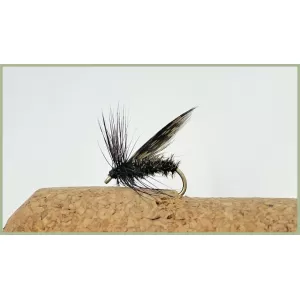
6 x Barbless Grey Duster Para
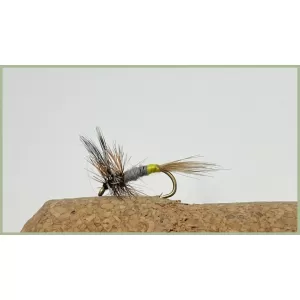
6 x Barbless Adams Para 
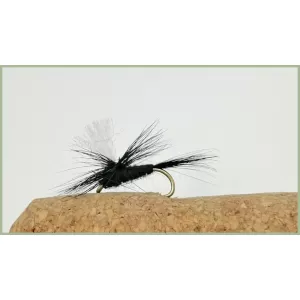
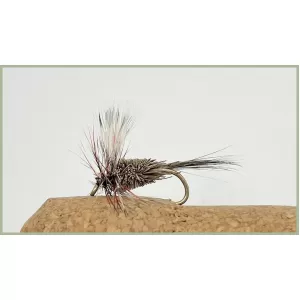
6 x Barbless Black Gnat Para 


Parachute flies are absolutely brilliant patterns that have become essential in modern dry fly fishing - they're incredibly effective and versatile!
What Are Parachute Flies? Parachute flies are dry fly patterns where the hackle is wound horizontally around a vertical wing post, rather than traditionally around the hook shank. This creates a distinctive "parachute" appearance that sits beautifully on the water surface.
Key Characteristics:
  • Wing Post: Vertical wing (often white calf tail, poly yarn, or CDC) that acts as the parachute post
  • Hackle: Wound horizontally around the wing post, creating a flat hackle collar
  • Profile: Sits very low on the water with a realistic silhouette
  • Visibility: The white wing post makes it easy to see on the water
  • Stability: Lands right-side up almost every time
Advantages of Parachute Patterns:
  • Low Profile: Sits naturally in the surface film like real insects
  • High Visibility: Easy for anglers to track on the water
  • Realistic: The horizontal hackle creates a more lifelike appearance
  • Versatile: Can imitate various insects depending on size and color
  • Stable: Self-righting design lands properly almost every cas
When to Use Them:
  • Selective Trout: When fish are refusing traditional dry flies
  • Smooth Water: Particularly effective on calm, glassy surfaces
  • Hatch Matching: During specific insect emergences
  • Low Light: The white post helps visibility in poor light conditions
  • Technical Waters: On heavily fished streams where trout are educated

Write a review

Please login or register to review