Menu
Your Cart

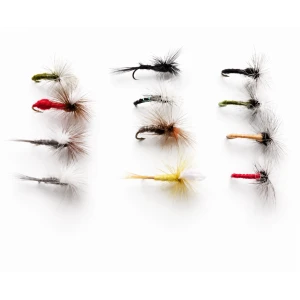
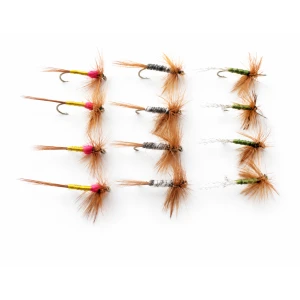
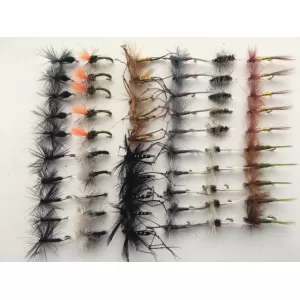
18 Parachute Dry Flies - 8 varieties
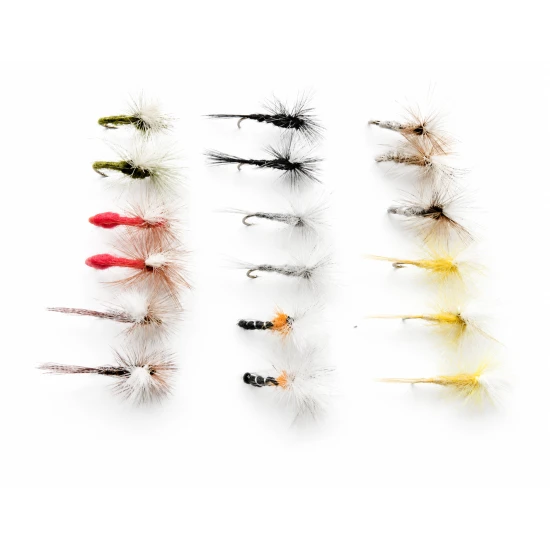
18 Parachute Dry Flies - 8 varieties
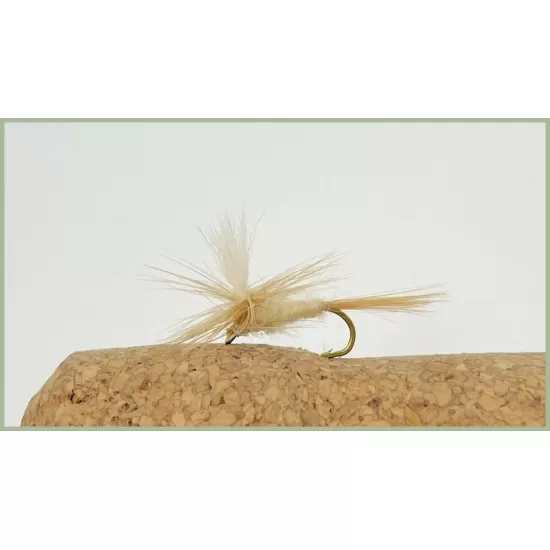
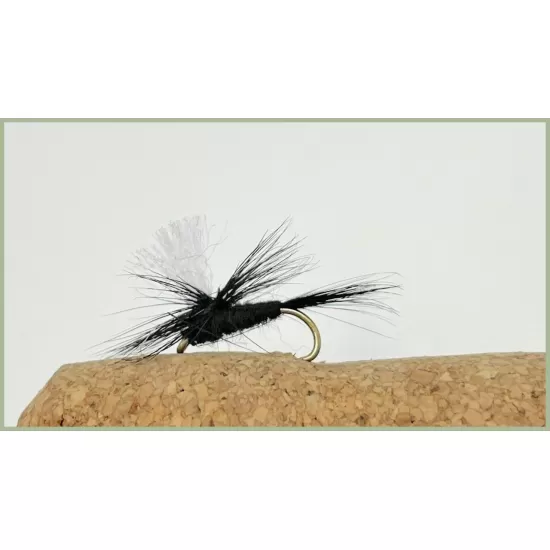
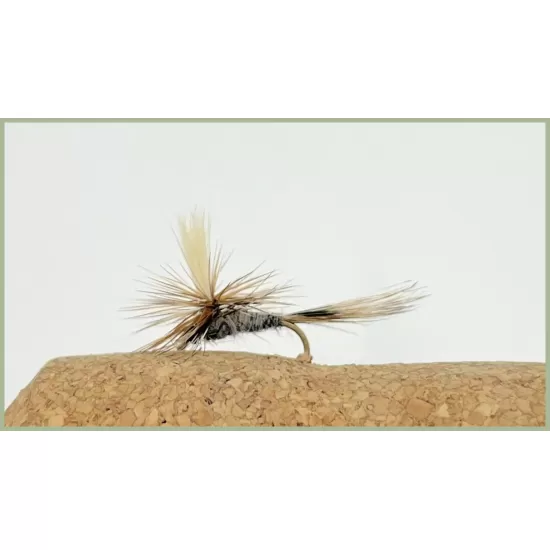
£10.99
Ex Tax: £9.16
  • Stock: In Stock
  • Model: 408-PACK2
  • MPN: 408-PACK2

Available Options

18 Parachute Trout Fishing Flies - Choice of Sizes Available
 
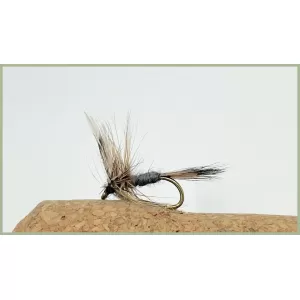
Grey Duster
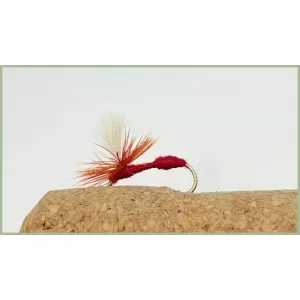
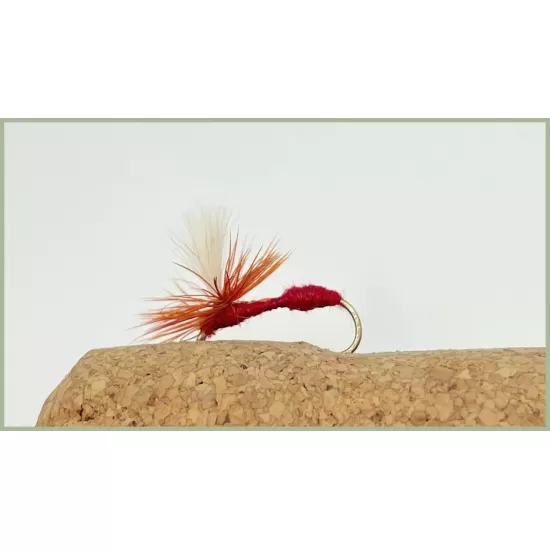
Red Ant
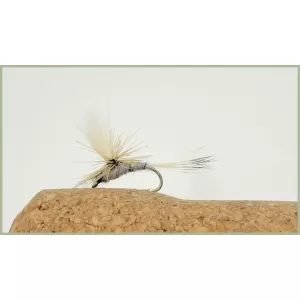
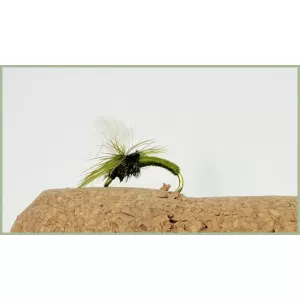
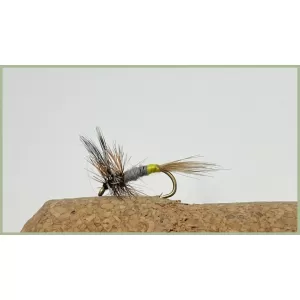
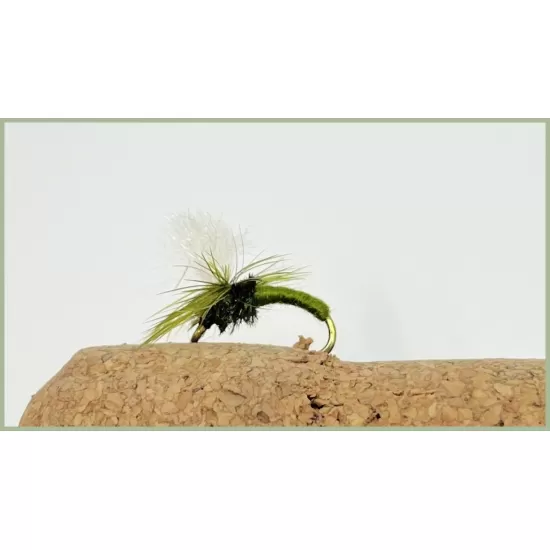
Olive Parachute
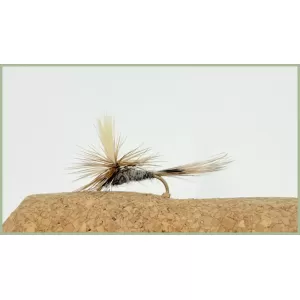
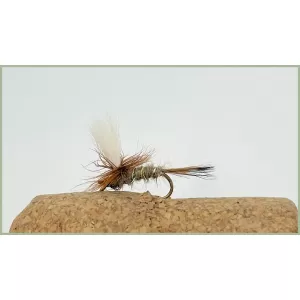
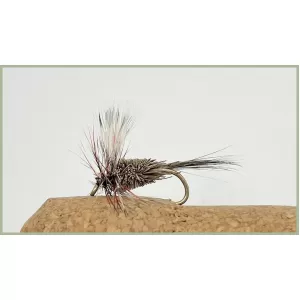
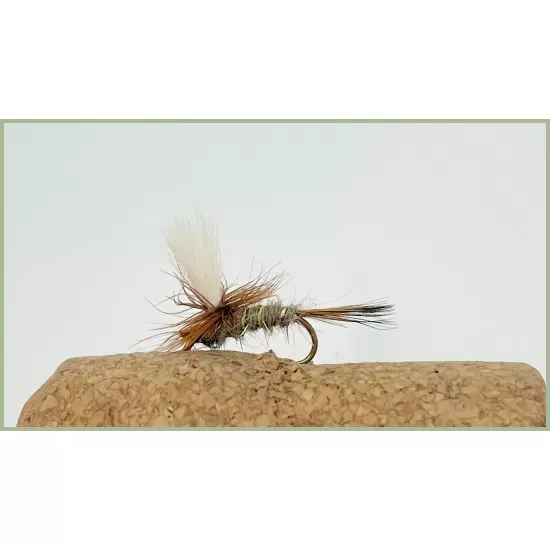
Adams Parachute
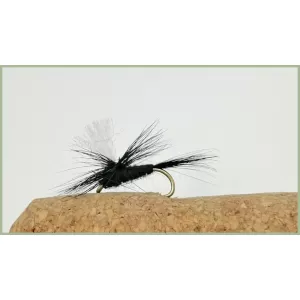
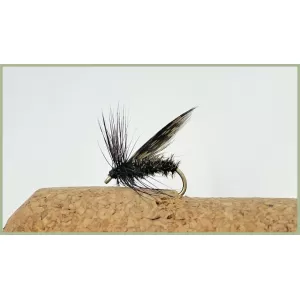
Black Gnat Parachute
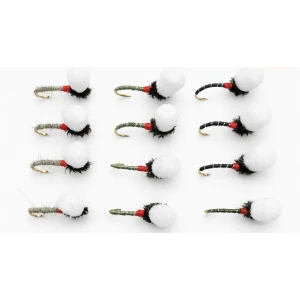
Terrys Emerger
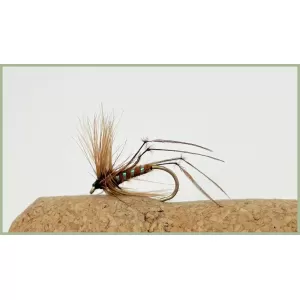
Hares Ear Parachute 
Cahill Parachute 

Parachute flies are absolutely brilliant patterns that have become essential in modern dry fly fishing - they're incredibly effective and versatile!
What Are Parachute Flies? Parachute flies are dry fly patterns where the hackle is wound horizontally around a vertical wing post, rather than traditionally around the hook shank. This creates a distinctive "parachute" appearance that sits beautifully on the water surface.
Key Characteristics:
  • Wing Post: Vertical wing (often white calf tail, poly yarn, or CDC) that acts as the parachute post
  • Hackle: Wound horizontally around the wing post, creating a flat hackle collar
  • Profile: Sits very low on the water with a realistic silhouette
  • Visibility: The white wing post makes it easy to see on the water
  • Stability: Lands right-side up almost every time
Advantages of Parachute Patterns:
  • Low Profile: Sits naturally in the surface film like real insects
  • High Visibility: Easy for anglers to track on the water
  • Realistic: The horizontal hackle creates a more lifelike appearance
  • Versatile: Can imitate various insects depending on size and color
  • Stable: Self-righting design lands properly almost every cas
When to Use Them:
  • Selective Trout: When fish are refusing traditional dry flies
  • Smooth Water: Particularly effective on calm, glassy surfaces
  • Hatch Matching: During specific insect emergences
  • Low Light: The white post helps visibility in poor light conditions
  • Technical Waters: On heavily fished streams where trout are educated
Fishing Techniques:

Write a review

Please login or register to review