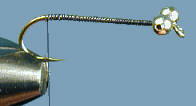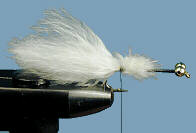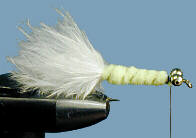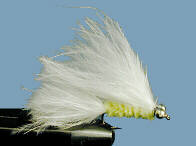
CDC F Fly

The F Fly

Materials required:

  • Fine wire emerger hook Sizes 14 – 20

  • Body – fine olive, black or brown seal`s fur or substitute

  • Tying thread – olive 8/0 or colour to match body

  • Wing – natural cdc feathers

Tying:

  1. Catch in thread behind the eye and take down to opposite barb in close, touching turns.
  2. Dub on a very small quantity of seal`s fur and wind back to eye.

ff1
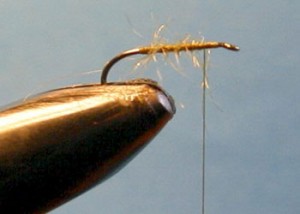
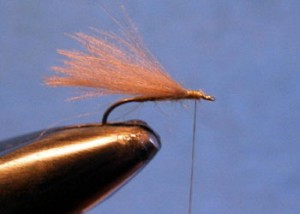
3.Take a couple of natural cdc feather and tie in behind the eye on top of the hook to form a swept back wing and cut off surplus stalk.
f2

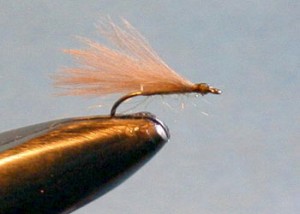
4.Form neat head, tie off and varnish the head.
f3

This fly is superb on both rivers and lakes and can be tied in any colour to match the hatch but olive, black and beige tend to be the most popular

The fly can be used when buzzers are hatching and it fishes in the film as an emerger. The cdc feathers being naturally oily hold the fly in the film and the fish will usually sip them in. Fish the fly static and do not attempt to put any floatant on the fly .

The only drawback is that after a fish has been caught the fly must be changed and allowed to dry before using again. When the fish are on it you get through plenty of flies !!

In larger sizes the olive version can be very effective during hatches of olives. The fly can fish very well on mild winter days when there are nearly always some buzzers hatching and locally a black version in size 18 can perform very well in winter for those anglers willing to try the floating line.

On the rivers the fly is a good one to try when fish are rising but you are not certain what exactly they want. Experiment with sizes and colours until you find the right combination. Do not allow to drag or else the fly will become water logged although it can still take fish beneath the surface !
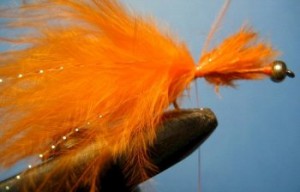
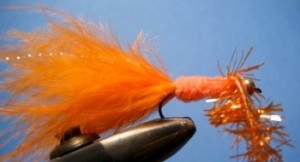
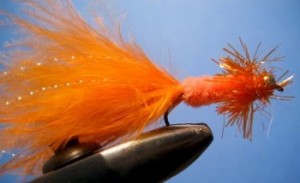
Goldhead Orange Collar Fritz

Orange Goldhead Fritz Collar Tadpole

Materials required :

· Round bend long shank hook – Sizes 6 – 10
· Tying thread – orange
· Gold Bead
· Body – Hot Orange chenille
· Tail – Hot orange marabou with a few strands of pearl crystalflash
· Collar – orange fritz

Tying :

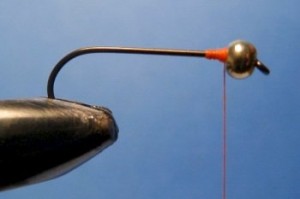
  1. Thread the gold head bead onto the hook and position behind the eye.

  2. Catch in tying thread behind the bead and lock bead in position with a small build up of tying thread

    o1

  3. Take thread down hook in touching turns ready to tie in tail opposite the barb. Take a large plume of marabou about one to one and a half times the length of the hook shank and tie in on top of the shank. Take 2 or 3 strands of crystalflash and tie in either side of the marabou

    o2

  4. Trim waste marabou and then tie in the chenille. Take the thread
    up to the gold head. Wind the chenille in close touching turns almost up to the gold head and tie it off leaving space to tie in the collar behind the gold head. Tie in the fritz using one to one and a half turns.

    o3

  5. Tie off and add a touch of varnish to the thread.

    o4

This fly is superb all year but it really comes into its own on those hot  summer days when there is a lot of algae and /or daphnia present in the water and the trout just will not appear to feed. It can be fished on
floating or sinking lines and retrieved either in fast strips or slow figure of eight retrieves depending very much on the mood of the fish.

The same fly tied without the gold head is a real winner when used with
an intermediate line with a very quick, short jerky retrieve especially
when new fish are in the water but they have wised up to the usual lures and fast , long strip presentation.

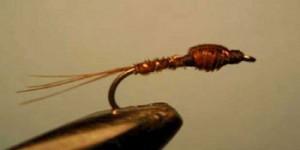
Pheasant Tail Nymph

Pheasant Tail Nymph

Materials required:

  • Round bend down eye hook – Sizes 10 – 16
  • Body – Cock pheasant tail fibres
  • Tying thread fine black or brown
  • Rib – fine copper wire
  • Thorax – Fine copper wire
  • Wing case – Cock pheasant tail fibres
  • Tail – Cock pheasant tail fibres
  • Head – build up neat head of tying thread

Tying:

1. Tie in the fine copper wire behind the eye and form a copper wire ball for the thorax. Tie in tying thread behind copper wire ball and take down to bend in touching turns. Tie in a few tips of cock pheasant tail fibres to form tail. (the rest of the fibres are used for the body)

pheas1

2. Tie in length of fine copper wire. Take tying thread back up to behind the copper wire ball. Wind cock pheasant fibres up body in touching turns to the ball and secure with the thread and leave remainder of fibres on top of hook to form thorax cover. Follow with the copper wire in open turns to form the rib as far as the ball and tie off copper wire. Tie in addition cock pheasant fibres and wind around the copper ball and tie off behind the eye.

pheas2

3. Take the cock pheasant fibres that are on top of hook and pull over thorax to form cover and tie off behind the eye, form a neat head, tie off and varnish the head.

pheas3

This nymph does not represent a specific aquatic nymph but is used as a general nymph/bug pattern and is very effective as its features are found on many nymphs. It can also be tied on short or long shank hooks and can even be tied with a lead under belly .

The thorax can also be seals fur of different colours and of course dyed cock pheasant fibres can be used to form a whole series of different pheasant tail nymphs.

This nymph can be used all season in both rivers and lakes and on floating or sinking lines. A good retrieve is a short jerky one and takes can be quite fierce.

Shipman Buzzer

SHIPMAN BUZZER

Tying Materials required:

  • Fine wire round bend Sizes 12 -18
  • Seals Fur
  • Fly Tying thread – fine black or colour to match body
  • Rib – fine pearl lurex
  • Breathers – white multiyarn

Tying:

1. Tie in the thread behind the hook eye and using close touching turns take the thread down the shank to level with the point.

ship1

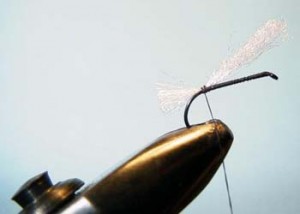
2. Lay a piece of white multiyarn on top of the hook shank and tie in at the point leaving a small amount over hanging.  Then take the tying thread towards the eye binding down the multiyarn on top of the hook.  Continue to the eye and leave a small amount sticking forward past the eye.  Take the thread down to the bend.

ship2

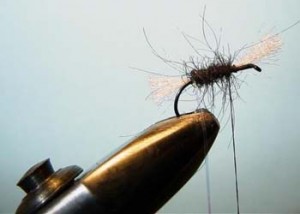
3. Catch in a piece of pearl lurex and then dub the seals fur onto the thread and dub up the hook to behind the eye.

4. Take the lurex in open turns up the hook to behind the eye and tie off.

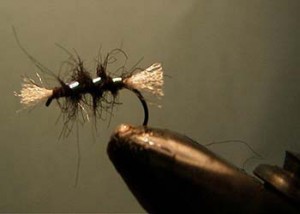
5.  Whip finish the fly behind the eye.

ship3

This buzzer is a killer in flat calm or slight ripple conditions when there is a hatch of buzzers coming off and the fish want the buzzer fished slightly higher than you get with a suspender buzzer.  Only gink the breathers and the fly will sit in the surface film. Generally fish the fly static and if a fish is moving near the fly a slight twitch of the fly will often convert slight interest to a solid take.

Cats Whisker

THE CATS WHISKER

Materials required:

  • Long Shank Lure hooks size 10-6
  • Black Tying Thread
  • Lime Green Chenille
  • Silver Wire
  • Pair of Silver Bead Chain Eyes
  • White Marabou

Tying:

1. Cut a pair of silver eyes from a length of chain and using black tying thread tie in the eyes on top of the shank behind the eye using figure of eight tying method to secure tightly. Continue taking thread down the shank in tight touching turns.

cat-1

2. Take a large pinch of white marabou and tie in to form a tail.

cat21

3. Tie in silver wire at the point where the tail is tied in. Tie in lime green chenille above the wire at this point. Take the thread up the shank to behind the silver bead eyes and wind the chenille up the hook shank in tight touching turns to be tied off behind the eyes with the thread. Follow with the wire using open turns winding the opposite way to the way the chenille was wrapped.

cat3

4. Take another large pinch of white marabou and tie in behind the eyes to form a wing.

cat4

5. Ensure all the materials are securely tied in behind the eyes and bring the thread in front of the eyes, form a head, tie off and varnish the head.

This fly can be used all year round but excels in late autumn when the trout become active on fry.

It is a sinking pattern, so can be fished at any depth on either floating, intermediate or sinking line using the countdown method with all fly line densities.

The Cats Whisker is very attractive to fish because the materials have plenty of movement and the best retrieves are long erratic pulls giving darting movements to the fly. This can be varied by adding pauses in the retrieve followed by very quick short jerky pulls before reverting to the longer retrieve.

Errwood Fly Fishing Club

errwood

Errwood Fly Fishing Club (EFFC) is a members’ club founded in 1970, soon after the River Goyt dam was constructed to provide drinking water for Stockport. The reservoir occupies 85 acres in an area of outstanding natural beauty in the Peak National Park between Buxton, Whaley Bridge and Macclesfield.

Fishing rights are leased and include three feeder streams that form the headwaters of the Goyt.

There is ample parking and plenty of fishing just a few yards away. For anglers who do not enjoy a long walk, the close proximity of a gently sloping bank is much appreciated. Friendship and a chat about angling supplement a fine fishing venue.

Regular monthly stockings take place of well-finned high quality rainbow trout averaging between 1.5lb and 3lbs, larger fish are also stocked usually in the 4lb – 6lb range and there may also be a few suprises swimming around! These fish are bred and reared locally and specifically chosen for their fighting and eating characteristics.

In addition, Errwood sustains a population of indigenous wild brown trout to 3/4lb. These are hard fighting, take a small fly at lightning speed and will test even the most experienced angler. There are also rumours of large ferox brown trout lurking in the depths of the reservoir!

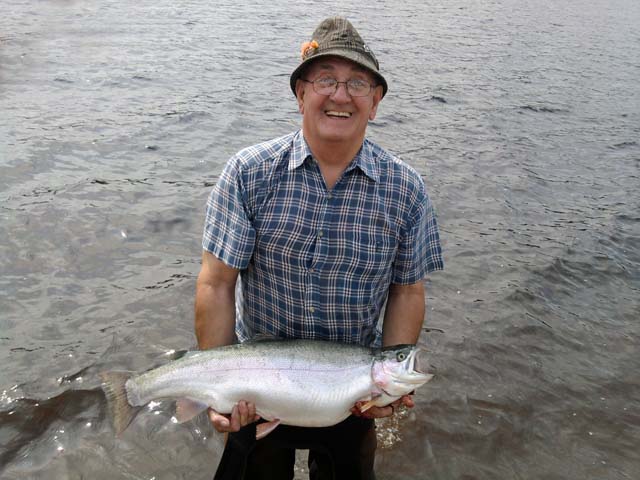
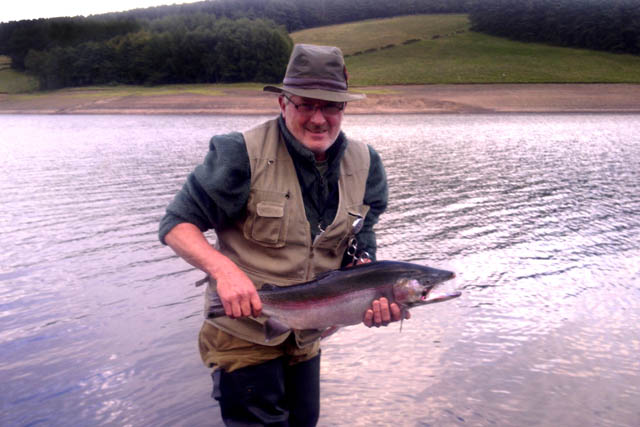
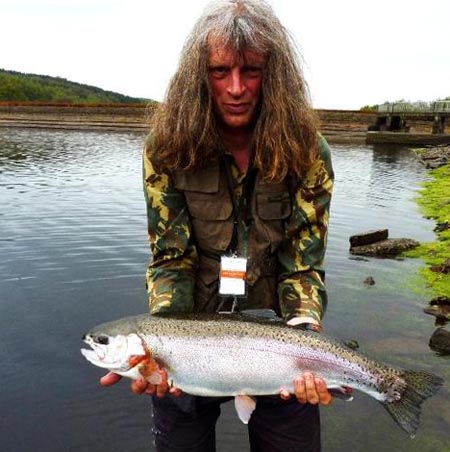
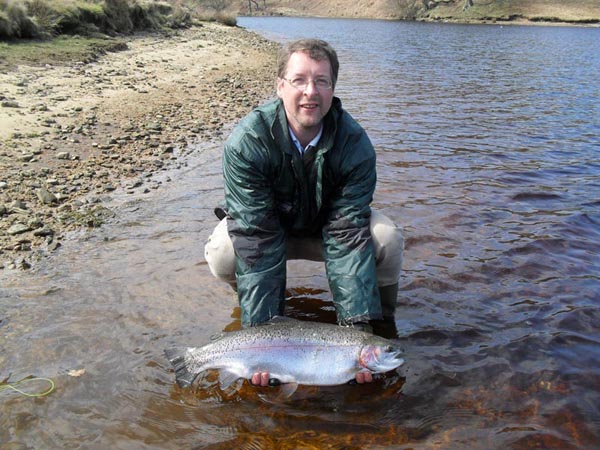
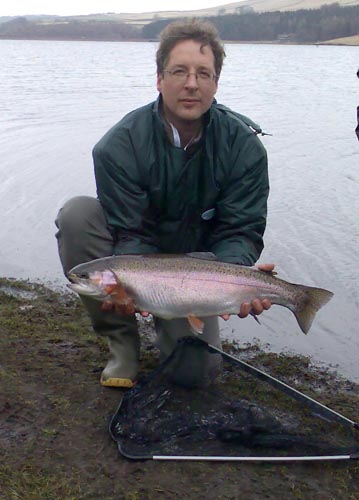
Some Super photo’s from 2010 Season at Errwood

Curley’s Fly Fishery

curleyCurley,s Fly Fishery is situated on the edge of the Rivington Country Park near Bolton.
The main reservoir is a 6 acre fly only water and is stocked with hard fighting, fully finned, triploid Rainbows, Blues and Goldies up to 15lbs. A smaller 1 acre lake is any method, primarily for accompanied children and beginners to fly fishing.

Tuition is available with a resident instructor and the prices seem fair.

You can fish from the bank, pontoon or hire a boat. It is recommended that you book

Farelton View Fishery

farleton-viewFarelton View is situated just outside Kendal in the lake district. Very easy to find just off the M6 at Junction 36. A place I have visited many times. The waters are very well stocked and its truely a great days fly fishing.
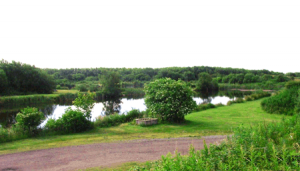

The cafe does wonderful food and the hospitality is really warm. A family run business you will find yourself looked after.

The main lake is not crowded by trees so a great place for learners and also has a great disabled access. Full facilities are on site. Hours of fishing are 8.30am until dusk and the pricing structure is very reasonable indeed.

So if you live in the area or are planning a visit to the lake district this summer give Simon and his team a visit for a great days fly fishing.

Broom Fisheries Annan

broom-fisheries2

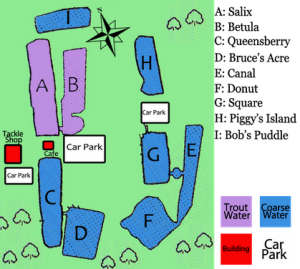
Fancy a bit of fishing on the Solway coast? Just a short drive from Carlisle this spot has two waters dedicated to fly fishing, with a further 5 waters it has to be an anglers dream.

Broom Fisheries is an ideal location with super facilities, toilets and refreshments obviousley a must but also a tackle shop on site just in case.

As a family run business for 14 years a friendly atmosphere awaits. Events are held throughout the season and if like me you like a drive out to somewhere new, or indeed you are holidaying and looking for a good spot I would recommend a visit to Broom Fisheries

You can check out their website – http://www.broomfisheries.co.uk/

broom-map

www.fish-uk.com

fish_uk_link1Many of our customers ask for help and advise, throughout the season sometimes it is just not possible for us to answer all your questions and we always direct people to this great website www.fish-uk.com. Its full of useful information on all fishing related topics and very easy to navigate. If you click on the banner it will take you there !

The site is run by Jim, who does actually answer your emails and interacts with what people actually want on a web site. He is a guy who I have found very helpful and genuine.

You can find help on where to fish throughout the whole of the Uk, tips and advise for every level of fisherman, there is  a great photo gallery and even the UK Records.

Check it out for yourself , I often go on it to find out something specific and still find myself clicking away after half an hour.