

Daddy Long Legs & Hopper Flies: When, Why, and How to Fish Them
When late summer and early autumn arrive, trout anglers across the UK reach for two essential patterns: the Daddy Long Legs and the Hopper. Both of these flies imitate terrestrial insects that often find themselves blown onto the water’s surface, making them irresistible treats for hungry trout. Let’s explore when to use them, how they’re imitated, and the best ways to fish them.
When to Use Daddy Long Legs and Hopper Flies
Daddy Long Legs (also known as crane flies) and hoppers are most effective from late summer through early autumn, typically August to October. During this period, adult crane flies and grasshoppers are abundant in meadows and bankside vegetation. Windy days are particularly productive, as gusts frequently blow these insects onto rivers and still waters, prompting opportunistic feeding from trout.
How Are They Imitated?
-
Daddy Long Legs: These flies are tied with long, spindly legs made from knotted pheasant tail or synthetic materials to mimic the distinctive appearance of the real insect. The bodies are often constructed using dubbing or foam for buoyancy, and wings may be added for extra realism.
-
Hopper Flies: Hoppers are designed to resemble grasshoppers and other land-based insects. They feature prominent legs, often made from flexible rubber, and a chunky body for excellent flotation. Many patterns use foam to help the fly ride high and withstand repeated strikes.
How to Fish Daddy Long Legs and Hopper Flies
-
Location: Cast these patterns near grassy banks, under overhanging trees, or anywhere terrestrial insects might fall into the water. Still waters and slow-moving river stretches are prime spots.
-
Presentation: Let the fly land with a gentle plop to mimic a real insect falling in. Allow it to sit motionless for a few seconds—trout often strike soon after it lands.
-
Retrieve: If nothing happens, give the fly a subtle twitch or two, imitating a struggling insect. Hoppers and daddies both move awkwardly on the surface, and this action can trigger aggressive takes.
-
Tackle: Use a floating line with a tapered leader. For extra realism, consider degreasing the tippet so it doesn’t sit on top of the water and spook wary fish.
-
Strike Detection: Watch for subtle takes—sometimes trout will sip these flies gently, whilst other times they’ll smash them with gusto.
Top Tips
- Fish these patterns on breezy days for best results.
- Try a range of sizes. Sometimes a small hopper will out fish a larger daddy, or vice versa.
- Don’t be afraid to fish them as part of a duo, with one on the dropper and one on the point.
Final Thoughts
Daddy Long Legs and hopper flies are must-haves in any fly box as summer fades into autumn. Their ability to tempt trout when other patterns fail makes them invaluable, particularly on days when terrestrials are plentiful.
If you’re looking to stock up, check out our range of Daddy Long Legs and Hopper flies at Troutflies UK. As always, we’re here to help you choose the right patterns for your next fishing adventure.
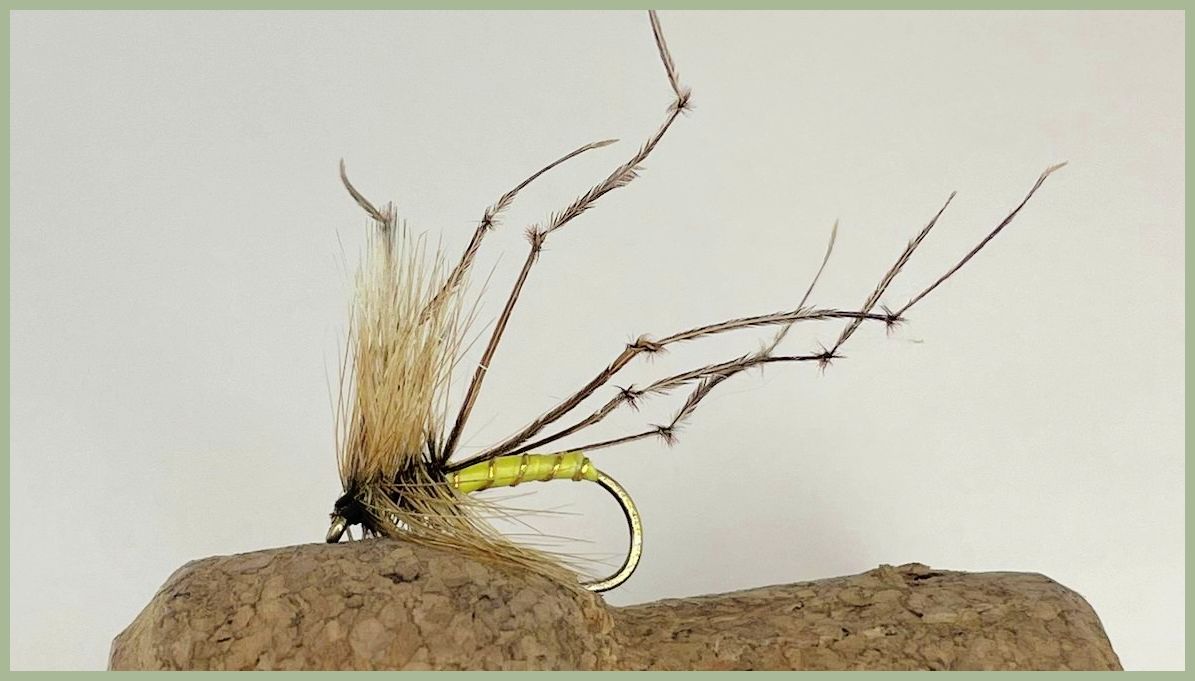
Daddy Long Legs: Daddy Long Legs Flies – Troutflies UK
