

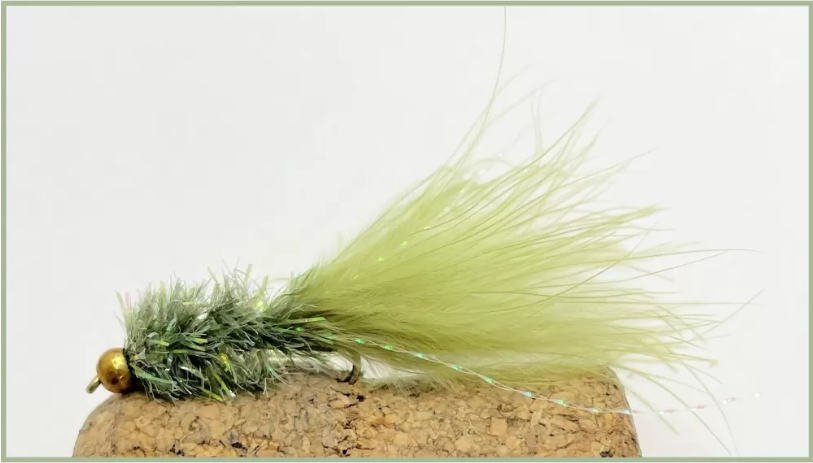
Lure fishing is all about provoking a reaction rather than copying a natural insect. Lures imitate small fish, fry or anything that looks like it’s trying to escape, so takes can be sharp and aggressive — but detecting them isn’t always straightforward.
Lures are fished underwater, so you won’t see a rise. Instead, you rely on feel: a sudden stop, a pull, or even slack in the line can all signal a take. Recognising these signs takes practice, especially when fishing deeper water.
Depth is important. Trout may be feeding high, mid‑water or tight to the bottom. Counting the lure down helps you control where it swims. Heavier patterns sink fast; lighter ones stay higher. Knowing your water makes this much easier.
A simple method is similar to wet‑fly fishing. Cast across, let the lure sink, then retrieve with steady pulls while keeping the line tight and your rod pointing at the fly. As it moves, rises and pauses, it behaves like a small fish — and trout will often hit it hard.
There are many ways to fish lures: fast retrieves, slow figure‑of‑eight, long draws with pauses. Watching other anglers and experimenting with speed helps. Lure fishing isn’t easy, but once you get the feel for it, it’s one of the most exciting ways to catch trout.
